
New Pod Drop 🎤
Spreading the gospel of treatment room design! 😃

Hello & Happy Friday!
I recently had the pleasure of chatting with Conor Colins, a clinic owner and mentor. Listen here!
My treatment room design project was born out of a curiosity about how our environments affect our well-being, which led me to study material health, biophilic design and neuroasthetics, but I also wanted to explore practical solutions. I polled massage therapists before I created my course and here’s what I found practitioners most wanted support with:
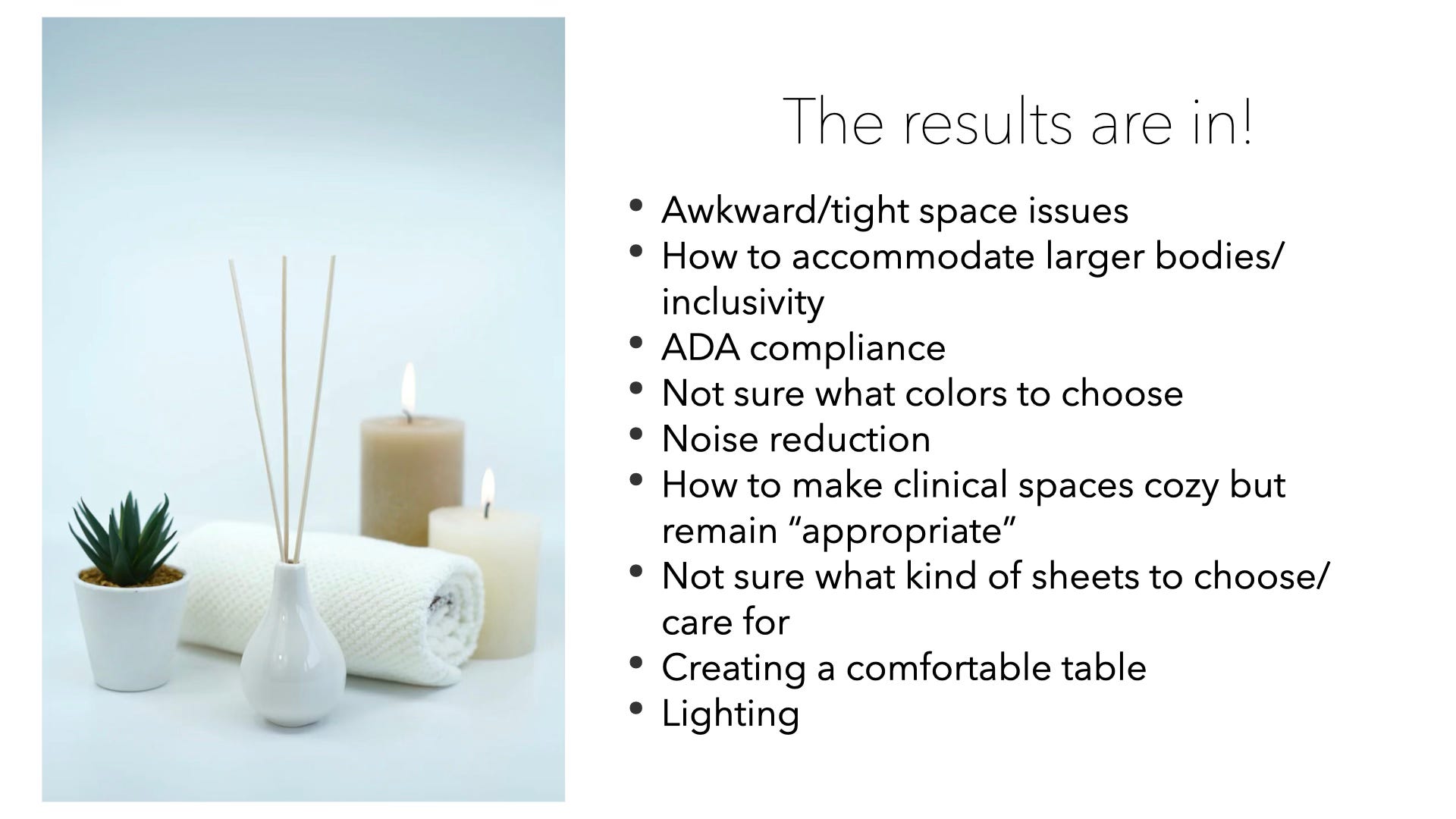
In my online CEU course, I cover all of these topics and more, within the context of the process and biophilia. While it’s tempting to create shop the look mood boards, I want you to understand the design process and feel empowered to assess your space from a more holistic perspective, so you can make changes that will be more effective. I want your space to feel unique and authentic to your preferences, brand, and clientele. If you’re ready for your space to support you and your clients in a deeper way, please check it out!
There are some really nice resources just added to Science in Design, where I trained in neuroasthetics, if you’d like to explore Color Psychology, Lighting Design, or Spatial Design.
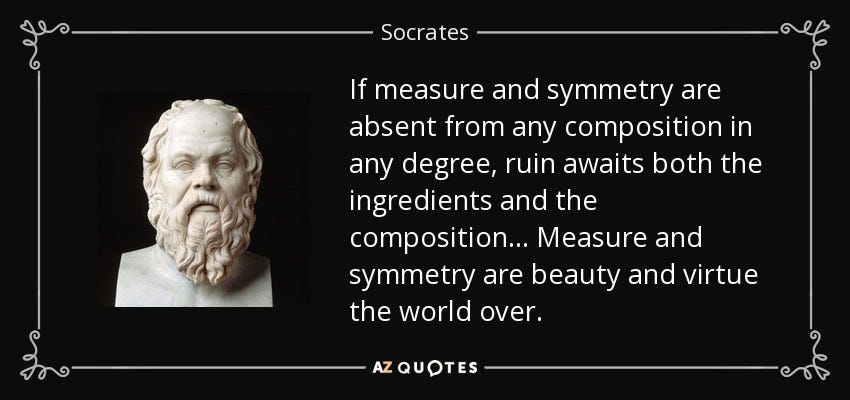
A pet peeve.
Plantscaping and Biophilic Design are complementary, not synonymous.
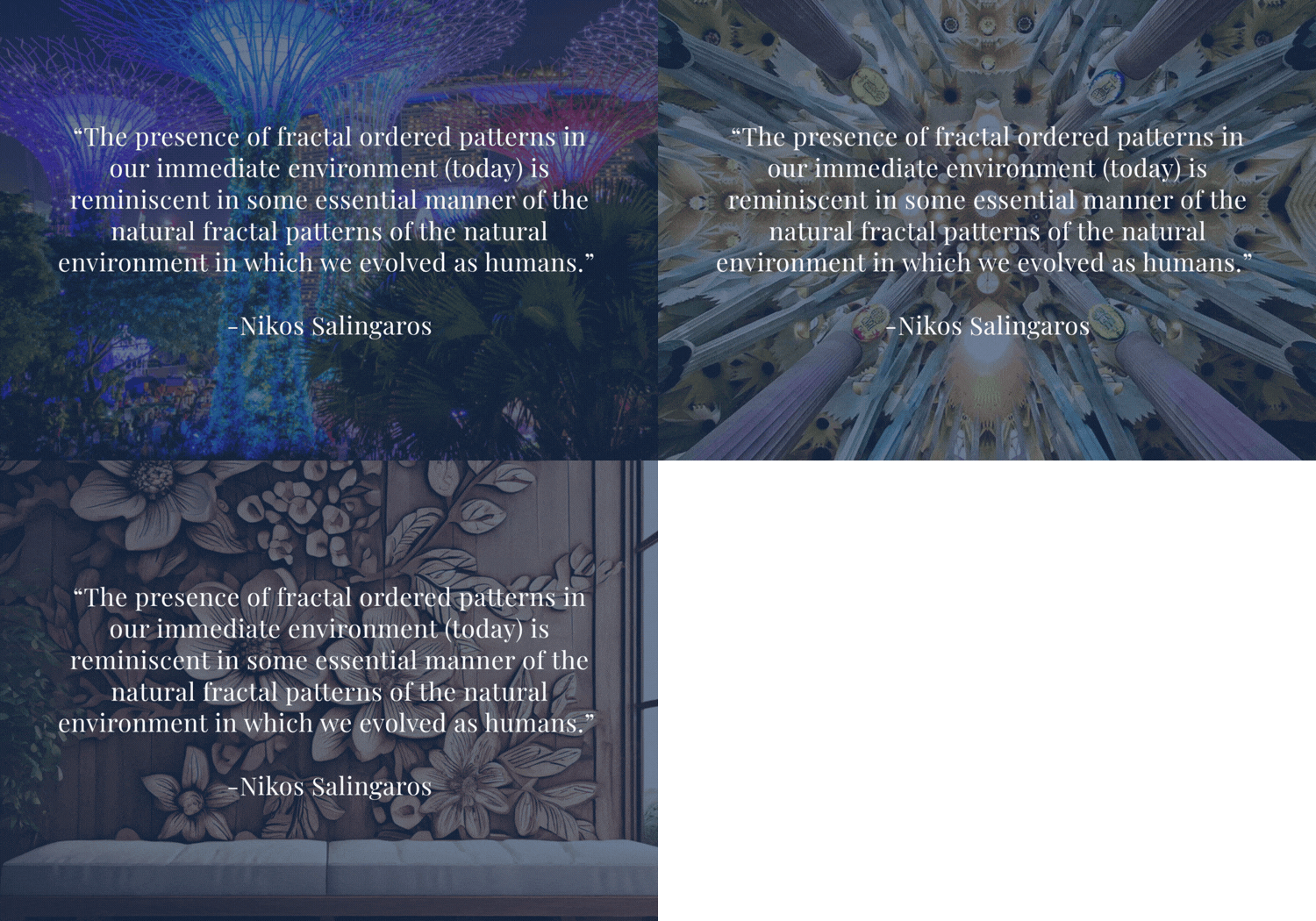
Plantscaping, or the design, installation and maintenance of indoor plants, is fabulous. My mom owned a plantscaping business so I understand the business intimately. Biophilic design includes 15 principles to align architecture and interior design with patterns, proportions, and elemental signatures found in nature to support a number of research backed positive health outcomes. Using indoor plants touches on many biophilic design principles, but plantscaping ≠ biophilic design.
A note on my services.
At this time I’m focusing on virtual consulting work and photostyling, rather than full service interior design. Learn more here and reach out if you have a project you’d like support with!
Friday Mood | Venus’ Day: I’d rather be…
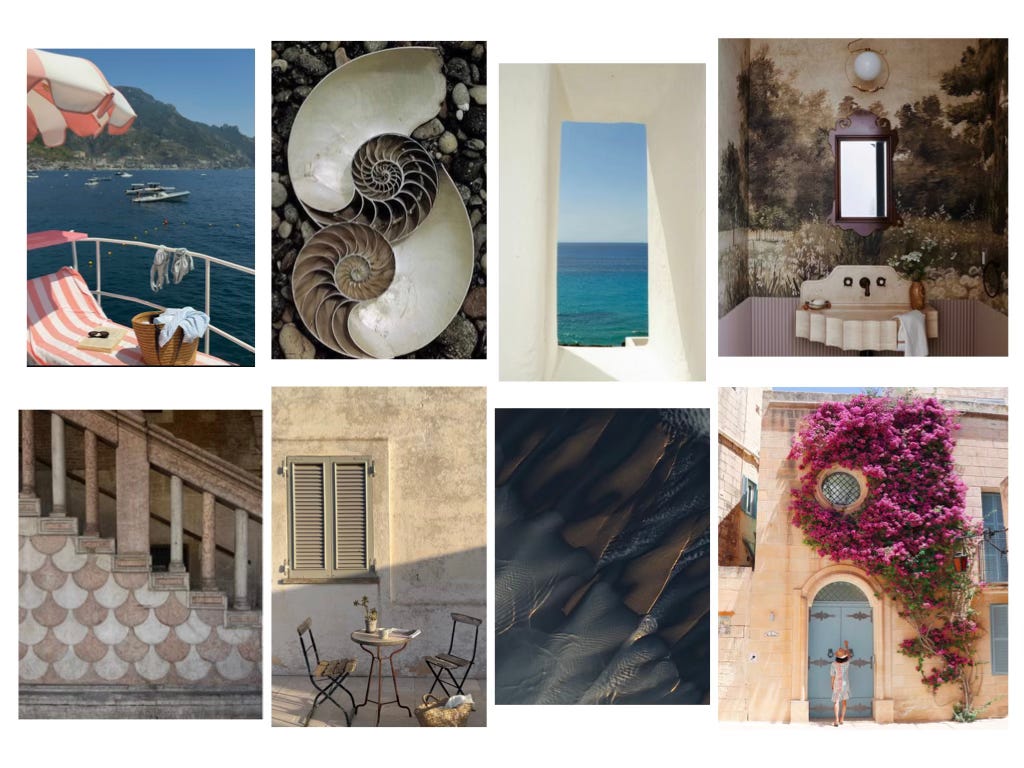
For the Astro Fun of it all!
